

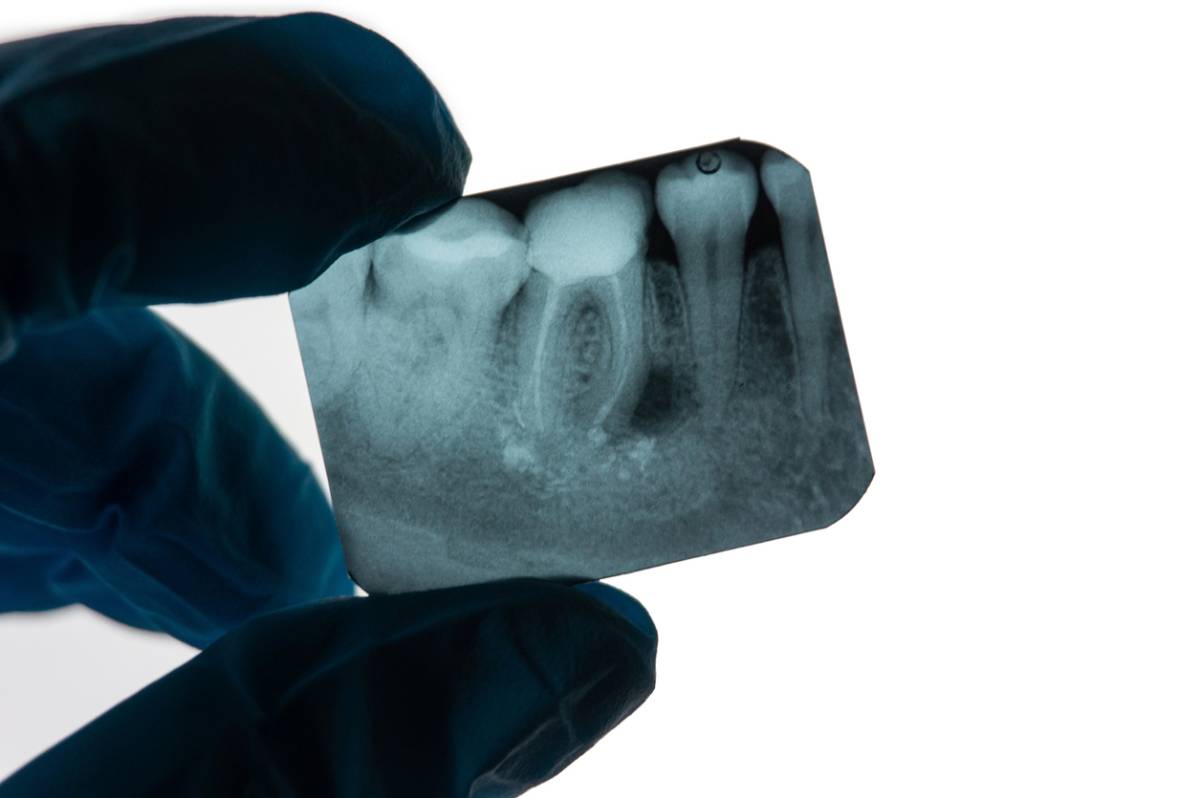
A root canal can be recommended for patients with severe tooth decay that cannot be treated with a dental filling. If you suspect that you need this procedure, you most likely want to know: How long does a root canal take? In this article, we address this question and discuss what happens during root canal therapy.
How Long Does a Root Canal Take?
On average, a root canal procedure takes about one hour, but in some cases, it can take up to 90 minutes or longer. The length of your root canal procedure will depend on several factors:
- The type of tooth being treated (for example, molars usually take longer than other teeth because they have two or three roots, while others have only one.)
- The complexity of a particular case (extensive infection can take longer to treat)
- If any additional procedures are required (for example, in some cases, a dental crown may be necessary after root canal therapy).
What Happens During Root Canal Therapy
Let’s examine the steps of a root canal procedure in more detail.
Before the Procedure
A root canal procedure always begins with your doctor administering a local anesthetic to ensure that you feel comfortable and do not experience pain. The dose of the anesthetic can be adjusted during the procedure depending on your pain tolerance. Modern local anesthetics are highly effective at blocking pain and numbing the procedure area, and the majority of patients do not experience any discomfort during their root canal treatment.
However, if you have a high tolerance to local anesthetics or the upcoming root canal treatment causes you severe anxiety that might prevent you from going through with the procedure, your doctor might offer you sedation in addition to or instead of the local anesthetic. Sedation can also be recommended for patients who struggle to maintain a consistent position for an extended period. Options of sedation available in modern dentistry include:
- Nitrous oxide (laughing gas)
- Oral sedation (pills taken by mouth)
- IV (intravenous) sedation
- General anesthesia (rarely used in dentistry unless the procedure is very complicated and lengthy)
During the Procedure
When the anesthetic takes effect, your doctor will begin the procedure. They will access the inner chamber of your tooth through its crown. Then, the infected pulp will be removed, and the tooth’s canals will be cleaned. Sometimes, an antibacterial medication can be placed in the canals to prevent reinfection. The next step is to fill the canals with a special, biocompatible dental material to prevent bacterial access.
In cases when the tooth is significantly weakened by extensive infection, your dentist will place a dental crown after the root canal treatment. A dental crown is a “cap” made of porcelain or a resin composite that covers the entire tooth. Its function is to reinforce the tooth’s structure, restore its chewing function, and prevent it from further damage.
After the Procedure
The local anesthetic will wear off in a couple of hours after the procedure. We do not recommend eating before the anesthetic wears off, as you will not be able to feel how strongly you bite, and you can damage the treated tooth or bite your tongue or cheeks.
When the anesthetic starts to wear off, you will most likely feel some soreness or pain at the procedure site. This is normal, and the pain should gradually go away as your tooth and the surrounding gums heal. Typically, post-procedure soreness and pain last for a couple of days and can be managed with over-the-counter painkillers, such as Ibuprofen. However, if the pain is intensifying over time, you should consult your dentist as soon as possible, as it may indicate a reinfection of the tooth.
You might also experience some swelling in the gums at the procedure site, which can be managed with cold compresses and will subside as recovery progresses. Another side effect of the procedure is temporary tooth sensitivity to changes in temperature, which should subside within several days.
To have a smooth recovery after a root canal procedure, we recommend:
- Switching to a soft diet
- Excluding hot and cold foods and drinks
- Abstaining from nicotine and alcohol
- Avoiding strenuous activities and sports
- Maintaining good oral hygiene
Get Root Canal Therapy at Santa Ana Magic Smile
Get a stress-free root canal treatment at Santa Ana Magic Smile. Do not hesitate to call our office today and make an appointment with an experienced and reliable dentist. We are looking forward to your visit.